Placing Concrete Where You Need It: The Scorpion Concrete Crawler Boom
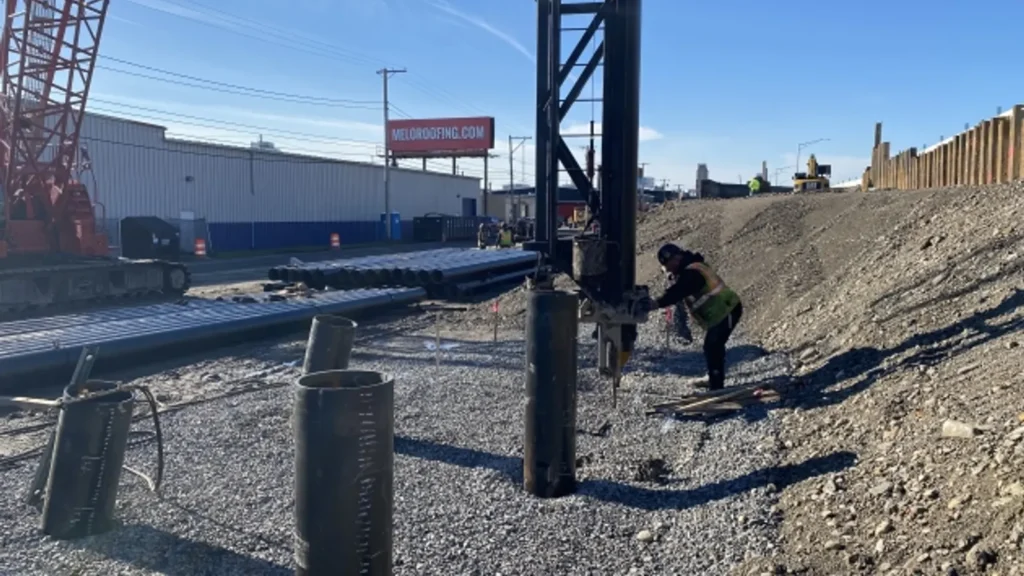
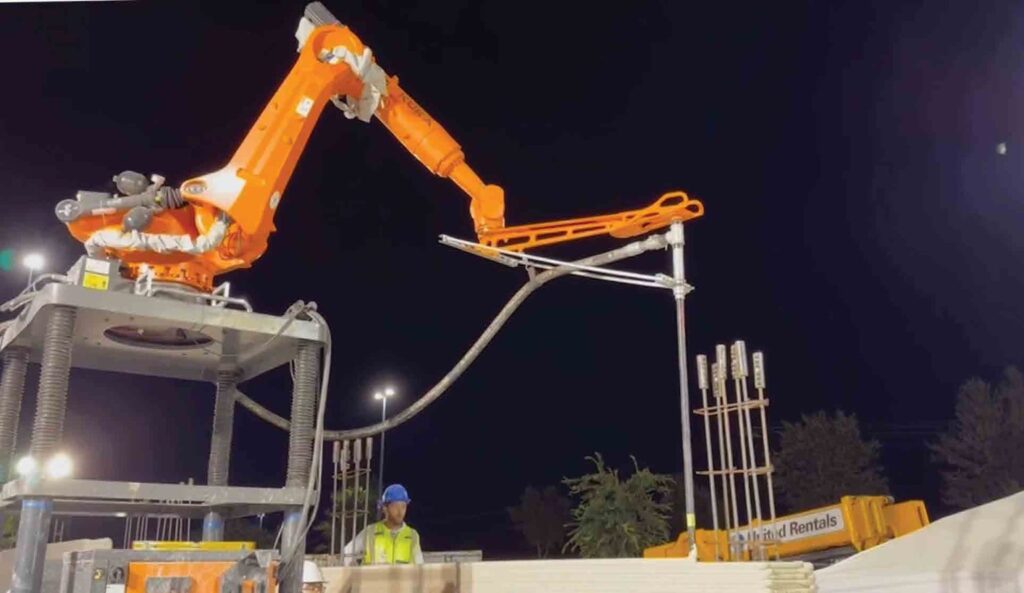
The Scorpion allows operators to make just over a full turn while extending over structures, landscaping, and other difficult-to-reach or potentially dangerous areas.
Engineered from durable carbon steel with a zinc-plated finish, this new anchor prevents rust in dry environments, offering dependable performance and minimal maintenance. Available as Carbon Steel in Zinc Plated or Galvanized finishes, 303/304 Stainless, and 316 Stainless Steel. MKT anchors are code approved for uncracked concrete.
Our anchors and fastening solutions are designed with durability and reliability in mind. We carry a wide array of products tailored to meet your construction needs, including Wedge Anchors, Concrete Screws, Large Concrete Screws, Sleeve Anchors, Hammer Drive Anchors, Drop-In Anchors, ZipIt Anchors, Plastic Anchors, Threaded Rod Anchors, Sammy Anchors, Strike Anchors, Hurricane Anchors, Flip Toggle Anchors, Split Drive Anchors, Lag Shield Anchors, Double Anchors, Single Anchors, and Spike Anchors. Each of these products is crafted to ensure quality and performance that you can depend on. Join us in building a stronger foundation, one anchor at a time! https://www.confast.com
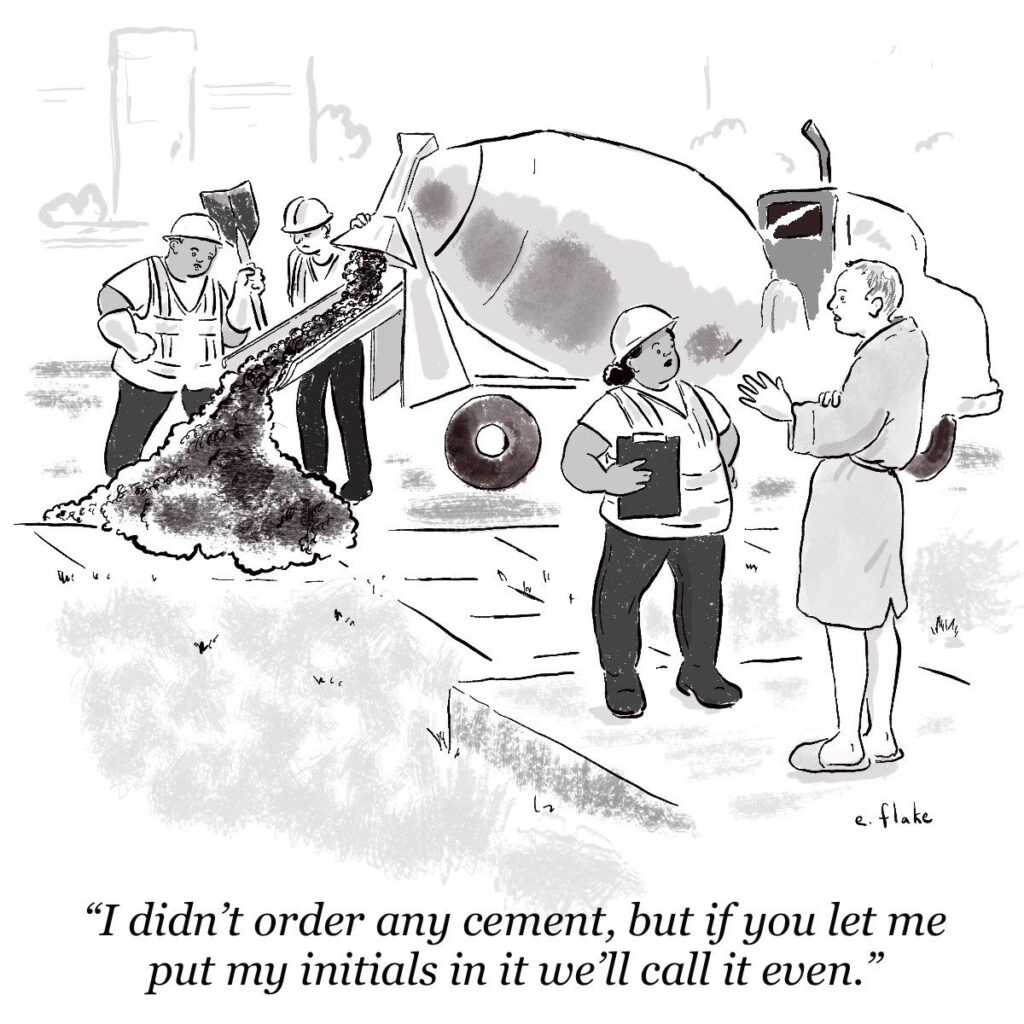
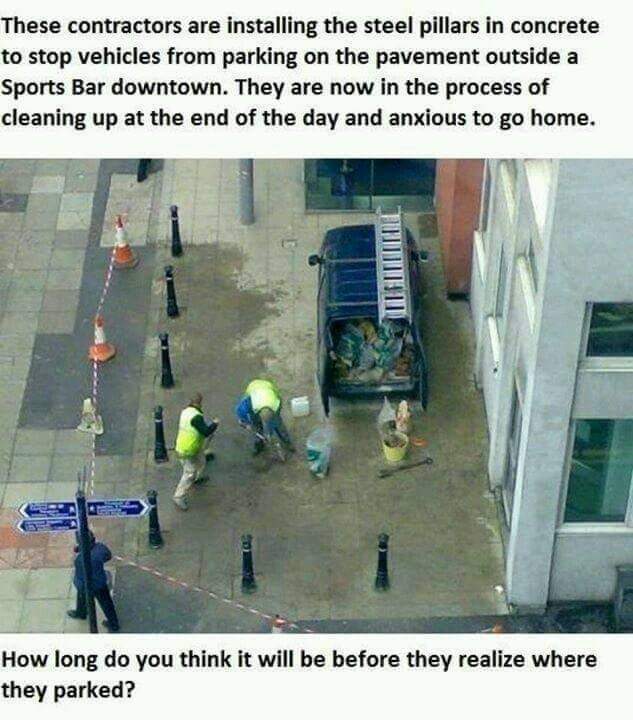
Humor for the month
Get Ready for the Busy Season: Early Spring Maintenance for Aggregate Screens and Concrete Plant Equipment
One of the most important steps in early maintenance is inspecting screens for excessive wear, blinding, or breakage. Steel wire screens can become stretched, develop broken wires, or suffer from clogged openings, reducing screening efficiency. Urethane screens, while more durable, should be checked for cracks, excessive wear, or blockages that could affect material flow. Replacing damaged screens early ensures consistent throughput and prevents unexpected failures in the middle of production. Read More: https://durexproducts.com/company/blog-news-events/get-ready-for-the-busy-season-early-spring-maintenance-for-aggregate-screens-and-concrete-plant-equipment/
New York builders awarded $251M contract on I-81 viaduct
Salt City Constructors, a team of three contractors, expects to begin work immediately on the $2.25 billion effort to reconnect neighborhoods in Syracuse.
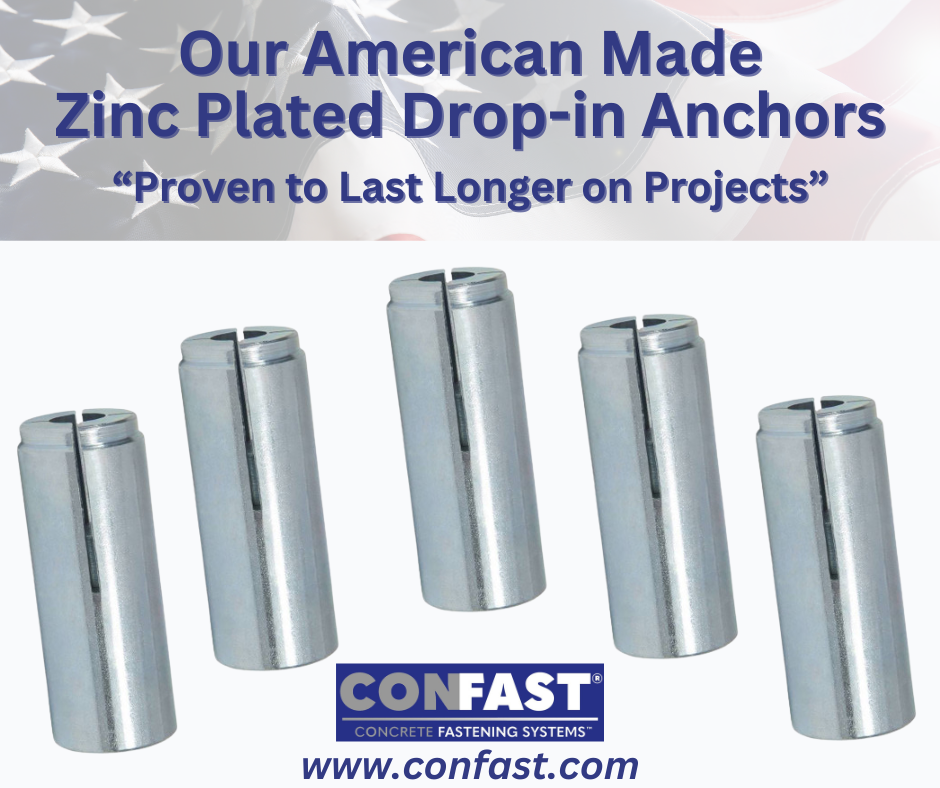
American-Made Strength You Can Trust! Discover the Zinc Plated American-Made Drop-In Anchor at CONFAST®—engineered for unmatched reliability, precision, and superior holding strength in concrete applications!
Why Choose This Anchor?
STAMPED WITH “USA” – Meets most Made in America requirements
SMOOTH ANCHOR BODY – Ensures consistent holding values in concrete
INTERNAL NATIONAL COARSE THREADS – Fast & easy bolt or threaded rod installation
PRECISION CUT EXPANSION END – Uniform expansion for a secure hold every time
NO LIPPED DESIGN – Install deeper than the anchor body length for greater strength
Get yours today and experience the difference in American-made quality!
Even though your concrete mixing truck drivers should clean the equipment after a pour. Not everyone does. This is why it make sense to add Durex Products urethane liners to protect your truck from corrosion. https://durexproducts.com/products/liners/
Getting Buried In Concrete To Explain Concrete = cement + sand + gravel. Cement is the most important man-made material on Earth.
A little concrete humor….It is still hard to find good workers.
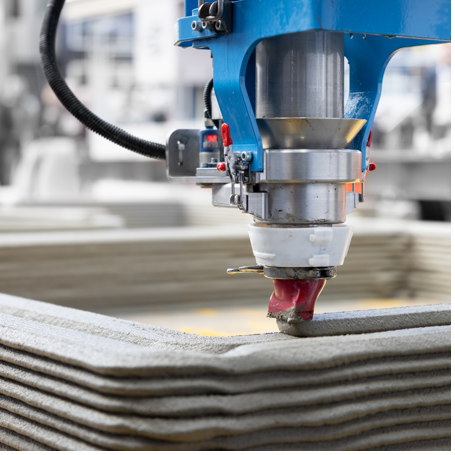
Durex linings contribute to 3D concrete ink/mortar printing reliability
Concrete 3D printing brings faster, more cost-effective and sustainable methods to a range of construction applications, proponents of the technology contend. Printing involves extruding a specially formulated concrete or mortar mix layer by layer to create complex structures without the need for traditional molds or formwork.
Concrete Conventions & Tradeshows for 2025: This short list includes a wide range of events covering all kinds of areas in the concrete industry. Take a look and see which you will be attending in 2025. https://www.forconstructionpros.com/concrete/equipment-products/article/22923561/concrete-conventions-and-tradeshows-for-2025
Revolutionizing Construction: The Impact of 3D Printing and Cement Plant Innovations
Explore how 3D printing in concrete is transforming construction processes and pushing boundaries in design and efficiency. Learn about the latest advancements in cement plant adaptations that are driving innovation and sustainability in the industry.
Dive into the full article to see how these cutting-edge technologies are shaping the future of construction: Read more here
Dry Pour Concrete has been the craze lately on social media and testing has not been done to show its true strength compared to standard wet pour concrete. In this video we dive into everything you need to know about dry poured concrete and whether or not its stronger then traditional wet poured concrete.
For those looking for a 20 minute funny break in your day here is work job fails.
How to Install Drop-In Anchors from CONFAST concrete fasteners: confast.com
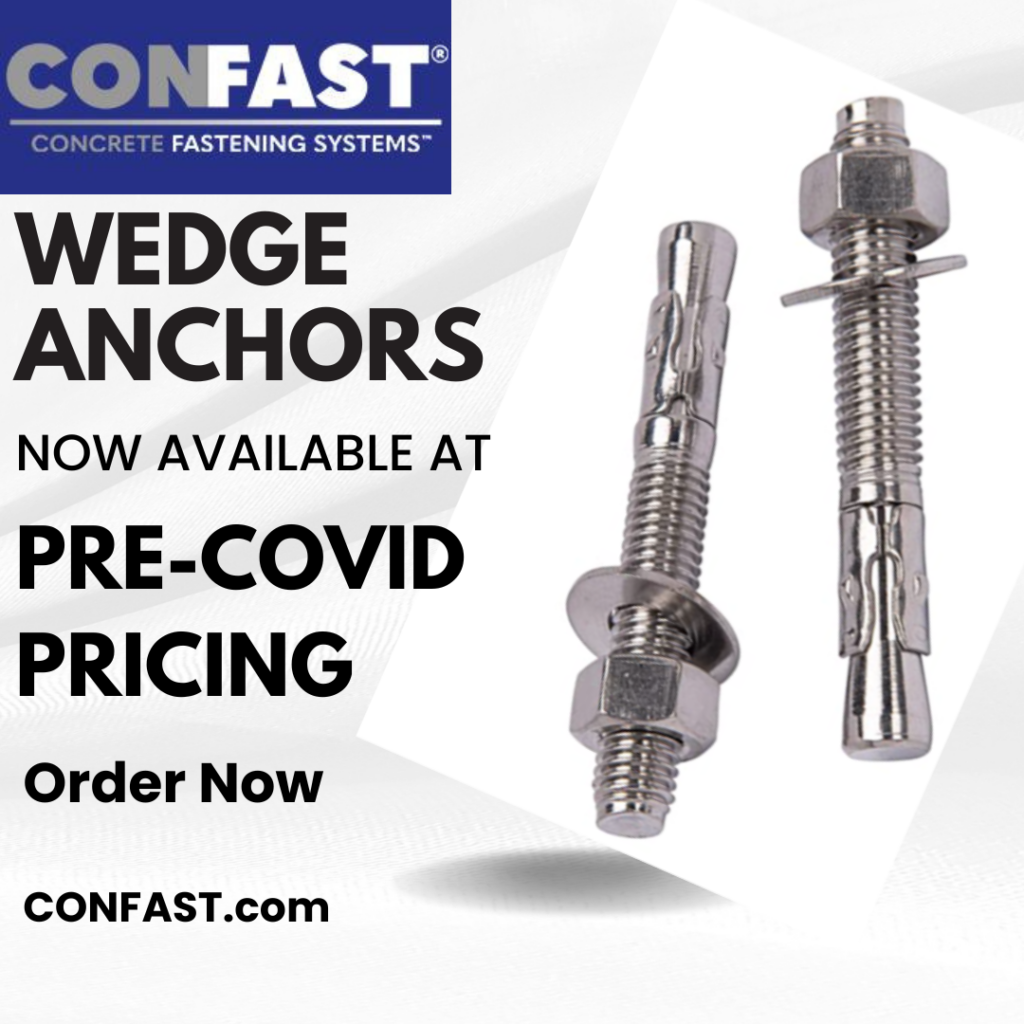
5 Key Applications for Using Wedge Anchors in Concrete Fastening
Wedge anchors are among the most reliable and versatile concrete fasteners available, offering superior holding power in solid concrete. Due to their strength and ease of installation, they are the go-to choice for various heavy-duty applications across different industries. Wedge anchors are designed to perform in challenging environments, ensuring stability and security where it matters most. It is also essential when choosing a wedge anchor for your application that you make sure that they meet the specifications for the environment and use case such as:
Chamfered top designed to prevent mushrooming during installation
Qualified for static and seismic loading conditions (seismic design categories A through F)
Suitable for horizontal, vertical and overhead applications
Standard (ANSI) fractional sizes fit standard fixtures and installs with common drill bit and tool sizes
Tested per ACI355.2 and AC193
Below are five key applications where wedge anchors provide unparalleled support in concrete fastening.
1. Securing Structural Steel Beams
One of the most common uses for wedge anchors is in securing structural steel beams to concrete foundations. In construction projects, stability is crucial, and wedge anchors offer the necessary strength to securely fasten heavy steel to concrete. By embedding the wedge anchor deep into the concrete, it expands as the nut is tightened, locking the beam in place. This application is essential for high-rise buildings, bridges, and other infrastructure that requires a solid foundation. Be sure to look for these key features to ensure successful installation.
2. Installing Heavy Machinery
Wedge anchors are ideal for anchoring heavy industrial machinery to concrete floors. In manufacturing plants and factories, large machines such as presses, lathes, and mills generate significant vibrations, which can loosen fasteners over time. Wedge anchors provide exceptional resistance to vibrations, ensuring that machinery remains securely fastened even under heavy operational loads. This not only improves safety but also reduces downtime caused by shifting or misalignment.
3. Mounting Handrails and Safety Barriers
Safety is a top priority in many commercial and industrial settings, and wedge anchors play a crucial role in securely fastening handrails and safety barriers to concrete surfaces. Whether it’s in a public stairwell, a factory floor, or a parking structure, wedge anchors ensure that handrails and barriers remain firmly in place to prevent accidents. Their high load capacity makes them suitable for areas where handrails are frequently used or where barriers are exposed to heavy impact.
4. Attaching Shelving and Storage Systems
Warehouses, distribution centers, and retail spaces often require robust shelving and storage systems that can handle large loads. Wedge anchors are perfect for anchoring these systems to concrete floors and walls, providing the necessary support to hold heavy items securely. Whether it’s pallet racks in a warehouse or storage units in a commercial setting, wedge anchors ensure that shelving systems remain stable and safe, even under heavy use.
5. Fastening Outdoor Structures
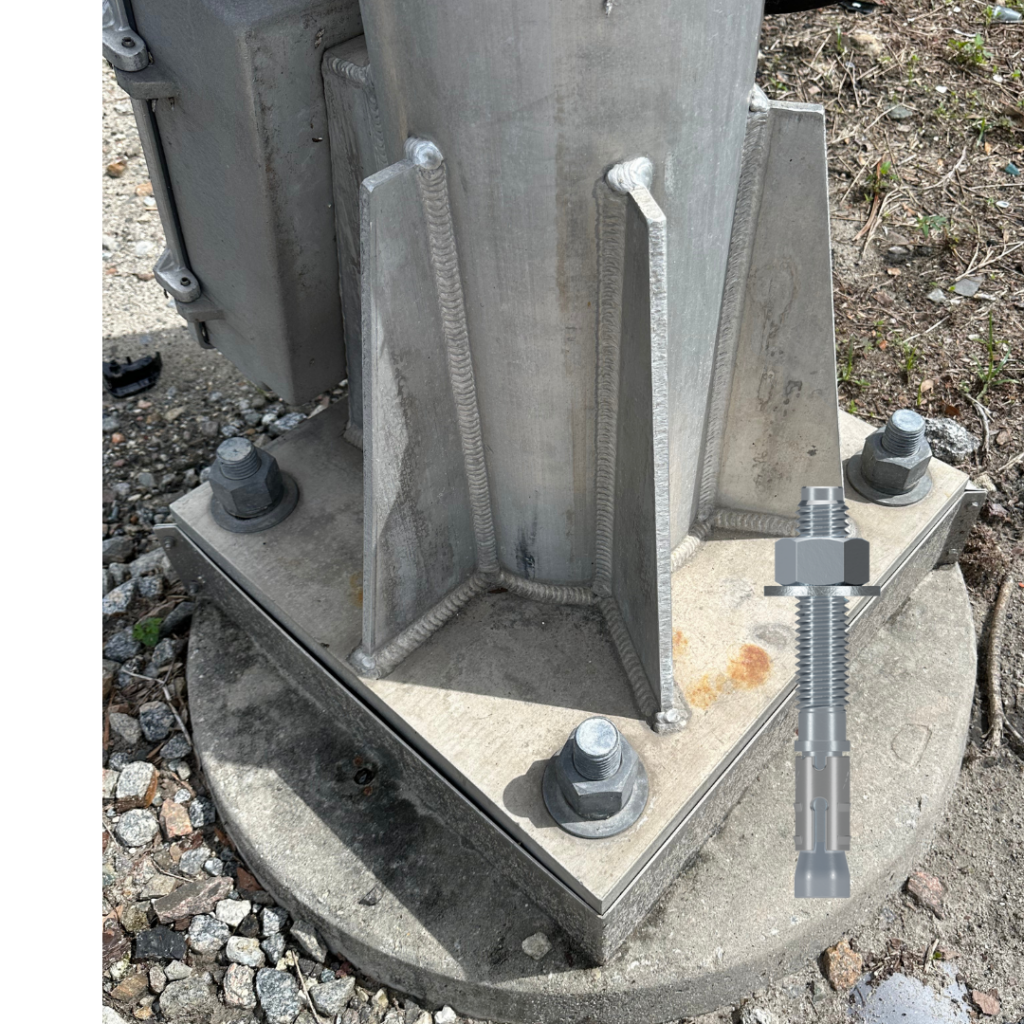
Wedge anchors are also frequently used in outdoor applications, such as railroad crossing gates, fences, and signage to concrete surfaces. These anchors offer excellent corrosion resistance, especially when made from stainless steel, making them suitable for long-term use in outdoor environments. Whether you’re securing a fence post to a concrete patio or installing a heavy-duty sign at an industrial site, wedge anchors provide reliable holding power in any weather condition.
Conclusion
Wedge anchors are indispensable for a wide variety of heavy-duty applications in both commercial and industrial settings. Their ability to securely fasten materials to concrete surfaces makes them a preferred choice for projects ranging from construction and machinery installation to safety and storage solutions. CONFAST offers a comprehensive range of Simpson Strong Tie wedge anchors to meet the specific needs of any project, ensuring durability, strength, and reliability in every application. Whether you’re building a skyscraper, installing machinery, or setting up storage racks, CONFAST selection of wedge anchors included Simpson Strong-Tie wedge anchors provide the holding power and security you can trust. Buy Wedge Anchors online 24/7: https://www.confast.com/products-wedge/
Top economist for cement and concrete industries reveals 2025 construction forecast. Ed Sullivan, the Chief Economist and Sr. Vice President of Market Intelligence for the Portland Cement Association (PCA) — which represents America’s cement manufacturers — says the Federal Reserve’s recent move to lower interest rates coupled with easing inflation signals a significant retreat in interest rate levels by the end of next year … all to the benefit of construction activity. https://www.worldcement.com/the-americas/15102024/top-economist-for-cement-and-concrete-industries-reveals-2025-construction-forecast/
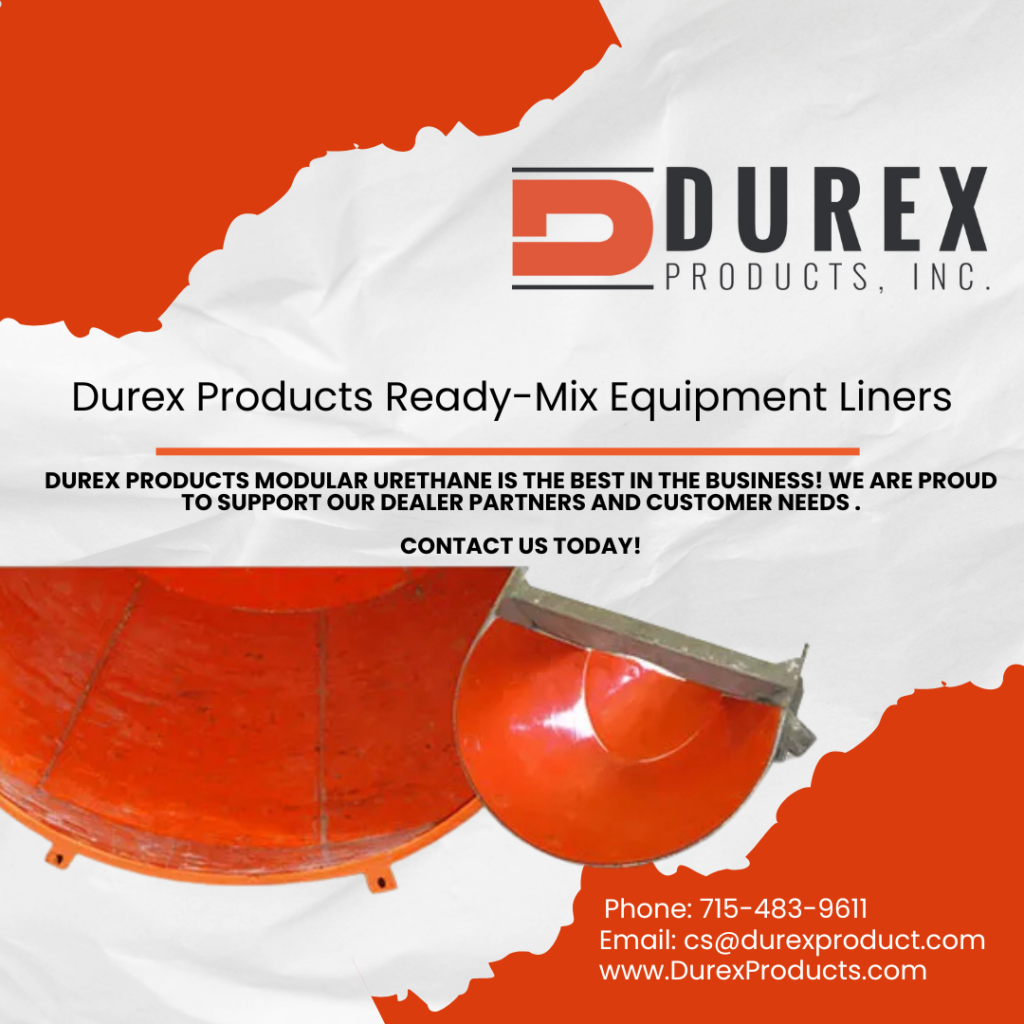
Ready-Mix Equipment Liners from Durex Products: We offer a number of wear-resistant urethane, and rubber liner solutions that provide long-term protection in concrete plants and concrete trucks.
Our urethane liners will combat impact, abrasion, noise, and sticking. Based on your needs, our liners can be installed by welding, bolting, or with high-strength magnets. We have developed our standard liners to fit plants and trucks from most major manufacturers.
Custom liners can be designed to suit any application. Just give us a call to discuss your needs: 715-483-9611 or email us: cs@durexproducts.com.
CONFAST Now Carries the Code-Listed Simpson Strong-Bolt 2 Anchor
We’re thrilled to announce that CONFAST now offers the Simpson Strong-Tie® Strong-Bolt 2 wedge-type expansion anchor—an ideal solution for high-performance anchoring in both cracked and uncracked concrete as well as masonry applications.
Engineered to excel under tough conditions, the Strong-Bolt 2 is code-listed for seismic and high-wind environments. With dual undercutting embossments on each clip segment, this anchor provides secondary expansion if a crack intersects the anchor location, ensuring load stability even if the hole expands.
Available in carbon steel and Type 304 and Type 316 stainless steel, the Strong-Bolt 2 is built for reliability and strength in any application. Trust CONFAST for your most demanding anchoring needs! Purchase today: https://www.confast.com/mfg-simpson/
For anyone that has known me for years knows I have tried to support the skate community. This program fits right in with my appreciation of concrete and skateboarding. This video explains what the program is all about: https://www.skate4concrete.com.
Tesla Semi factory to get massive amounts of concrete, update shows
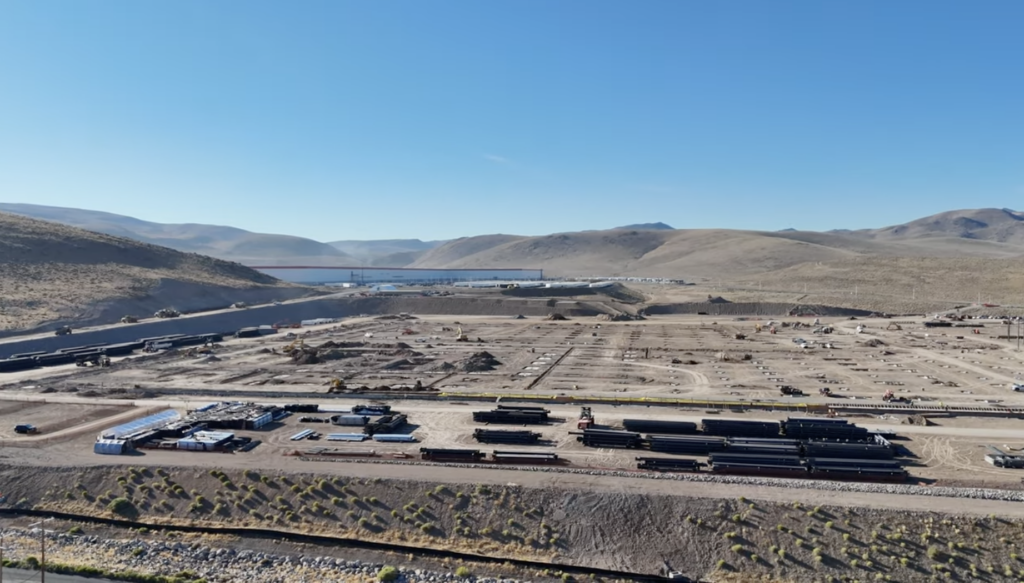
Tesla has been building a dedicated Semi plant at its Gigafactory Nevada this year, and a recent construction update shows preparations for a massive amount of concrete yet to be laid.
In an update this week from Zanegler, a Giga Nevada observer and self-proclaimed Tesla Semi advocate, footage from the site shows tons of recent progress, including action shots of truss rods going up on the now-many steel beams at the site, and the various footings that will reportedly utilize a huge volume of concrete. https://www.teslarati.com/tesla-semi-factory-concrete-update/
Keegan Nelson spent nearly 10 years of his career in various roles with Martin Marietta, joining Durex Products in 2024. Nelson, who now serves Durex Products as vice president of sales, recently shared his experience related to screening with P&Q.
CONFAST Expands Product Offerings: CONFAST’s drywall anchors are fasteners that are best used for mounting items on surfaces such as drywall, sheetrock, gypsum, dry wall, wallboard, or plasterboard. Use them to keep items securely in place such as pictures, curtain rods, clocks, towel racks, light fixtures, hooks, hanging planters, TVs, wall mounted storage bins and more.
Walmart validates 3D-printed concrete on store addition’s 20-ft. wall Alquist 3D recently dispatched a concrete/mortar ink printer and crew to place a 20-ft. high enclosure for an 8,000-sq.-ft. addition to the Walmart Supercenter in Athens, Tenn. An articulating robot with 48-in. long, 1-in. diameter nozzle shuttled around each wall section perimeter, efficiently printing twin inner and outer layers with precision. The new facility will support the Walmart Online Pickup & Delivery program. https://concreteproducts.com/index.php/2024/09/13/walmart-validates-3d-printed-concrete-on-store-additions-20-ft-wall/
With Concrete Paving Equipment, the Word is StringlessA look at how the changing technologies of concrete pavement equipment have adapted to the industry. “The buzzword is stringless,” says Stephen Bullock, president of Power Curbers Companies. “It’s been batted around for 15 years, 10 years ago we started seeing some real interest. And then over the last 5 years, it’s moving toward becoming the norm.”
Simpson Strong -Tie Exterior Wood Screws Available on CONFAST.com
Concrete Fastening Systems (CONFAST.com) now carries Simpson Strong-Tie exterior wood screws in various lengths and gauge sizes. The Strong-Drive® SDW wood screws will accommodate different wood thicknesses and densities and are typically intended for joining two pieces of wood. These exterior wood screws have a large sharp point for easy penetration into wood and a tapered shank. For complete technical specifications and / or to purchase: https://www.confast.com/exterior-structural-wood-screws
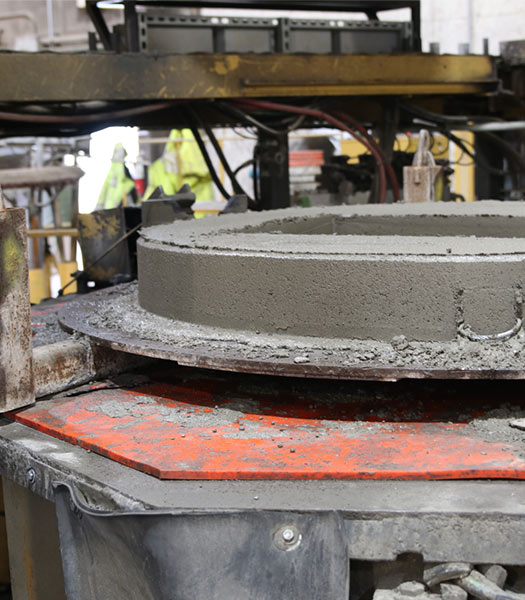
Durex Products design and build numerous high-performance wear parts and liners for the precast industry, including, but not limited to, the following:
Pan and planetary paddles, arm guards, and scrapers for various brands.
Liners for chutes, hoppers, and material transition areas, which are excellent for wear and reduces concrete sticking in areas. Available for bolting in, plug welding, and magnetizing.
Liners for vibrating tables, which greatly reduces noise.
Hurricane Season is Here! Don’t wait until it’s too late to secure your home and business with CONFAST’s top-rated Hurricane Anchors. Our anchors are designed to withstand the toughest storms, ensuring your property stays safe and intact. Each box comes with 25 sets of anchors. Save on orders over $35 with free shipping and save even more by signing up for our newsletter today!
Superior Strength: Engineered to hold fast in the most extreme conditions.
Easy Installation: Quick and hassle-free setup.
Durability: Built to last through multiple hurricane seasons.
Protect what matters most. Order your Hurricane Anchors today and be prepared for whatever Mother Nature throws your way.
Complete guide for installing the CONFAST® 1/4″-20 x 2-1/4″ Male Hurricane Anchoring Kit for Storm Panels, Plywood and Metal Panels (25 Sets, 1 Driver, Total 76 Pieces) Buy now: https://www.confast.com/HAM14214
CONFAST 1/4″-20 x 2-1/4″ Male Hurricane anchors install quicker and more efficiently than other storm protection anchoring products. For concrete and concrete block applications, drill pilot hole and drive the anchor in, it’s that easy. Pre-drilling is not required in wood base materials. Full thread engagement in concrete, concrete block and wood is required for best performance. Stucco-faced surfaces usually require countersinking so that the top of the hurricane anchors set flush to the stucco surface, allowing for full thread engagement in the base material All CONFAST hurricane anchor installations are required to be compliant with the shutter/panel manufacturer’s spacing, alignment and build-out requirements. Hurricane Anchor Kit includes 25 sets of anchors, wing nuts, and anchor protectors Kit contains 1 driver Made of Carbon Steel w/ White Ruspert Coating Install one time, the anchors stay in place to make future panel mounting faster and easier Use 7/32″ bit in Concrete, 3/16″ bit in Concrete Block Uses standard 1/4-20 hardware
In this episode of The Concrete Edge on Deco-Crete TV, Jeff dives into the crucial topic of how much slope to incorporate into exterior concrete projects. Jeff shares valuable insights and practical tips for determining the right amount of slope for your concrete patio, porch, or outdoor space. From understanding different types of concrete slabs to navigating the complexities of stamped concrete, Jeff provides expert guidance to help you achieve optimal results. Whether you’re a seasoned contractor or a DIY enthusiast, this episode offers essential knowledge for anyone working with outdoor concrete.
Robots and automated tools are already transforming construction sites. Automated masonry tools can dramatically increase the speed of construction—one prototype robot can lay 1,000 bricks per hour, for instance, while reducing the need for human workers to haul heavy pallets of brick or mortar around worksites. Autonomous vehicles and “driverless dozers” are also starting to break through, promising to allow heavy equipment to complete risky tasks while keeping humans safely out of harm’s way.
Other technologies are already widely utilized: drones, for instance, are used on at least 37% of construction sites, and they can significantly reduce the need for human workers to climb to high areas for inspections. With falls from dangerous heights accounting for more than a third of fatal construction accidents, that’s a big deal. There’s also the potential for drone-mounted sensors to help detect heat signatures to prevent fires as well as dangerous equipment malfunctions, and in commercial spaces, robots are being used to detect slip-and-fall hazards. We need to make similar automated preventative measures ubiquitous on construction sites.
The benefits of such tools are obvious. Automating high-risk activities is a huge net win for construction workers, who will increasingly be able to work remotely on dangerous tasks. Many injuries—sometimes fatal—can be traced back to human error, and the human element is one factor an automated system, working with precision and consistency, can completely eliminate. As long as a robotic system is configured correctly, it won’t make mistakes—and if something does go wrong, it will be replaceable equipment, not human workers.
Don’t Take Safety for Granted
But it’s not all good news. Many construction workers say they find it distracting to work alongside drones, and there’s evidence that even when drones are operating at a considerable distance from humans they often lead workers to look away from their tasks. To use drones safely, we’ll need to manage their use and ensure they’re deployed in ways that coordinate with human workers and enable teams to operate safely and confidently across a range of worksite settings.
New technologies such as robot exoskeletons are also a mixed blessing: they can significantly reduce the wear-and-tear on human muscle and bone, making many workplace injuries less prevalent, but any technology that helps a single human lift 1,000 pounds brings potential dangers, too. These new capabilities bring new risks, and require proper training and new safety protocols to ensure their safe use.
It’s important to remember that worksite automation is also about increasing productivity. If a new tool or technology lets a worker complete a task single-handed, that’s great–but sometimes having fewer people working on a given task can make it easier for mistakes to go unnoticed. We’ll need proper planning and checklists, delivered and tracked seamlessly using digital tablets and other systems, to ensure that automation doesn’t increase the risk of potentially dangerous oversights.
A Safer Future for Construction Teams
The reality, then, is that robots will bring both potential benefits and new risks to construction worksites. To capture those benefits and manage those risks, we’ll need to be proactive about integrating new technologies into our worksites and our workflows in smart and responsible ways.
That will mean ensuring that we don’t simply patch together new technologies and expect them to work seamlessly and safely without any central oversight. In an era that will increasingly be defined by new construction technologies, we need to make sure that we have full visibility into the processes, equipment, and people across our worksites.
It might help to take a look at manufacturing, where industrial robots and automated systems are now par for the course. To keep track of factories, plant managers use “virtual twins” that digitally track every aspect of the equipment they’re using—from the rpm of a given motor, to the locations of specific workers or automated vehicles, to the temperature on the factory floor. That allows factories to operate more efficiently, but it also provides a layer of centralized oversight and communication that helps keep everyone safe.
If we are to be as successful with new technology as they are in the manufacturing sector, we’ll need proper training and education for construction teams, who will increasingly have to be knowledge workers as well as manual laborers. Using robotic tools and working alongside automated equipment, work crews will need to be able to follow safety guidelines and processes for using sophisticated tools in real time. Making that process easy and seamless for human workers will be vital to ensuring that teams work safely and efficiently, while also overcoming any potential resistance they may have to using automated tools.
As we begin to introduce new automated and robotic technologies, we need to remember that construction worksites are complex places where humans and machines come together to get the job done. Using digital tools for education, training, worksite management, risk prediction and mitigation, asset tracking, communication, and related purposes will be essential as we strive to make construction sites the safest they can possibly be for their workers. https://www.forconstructionpros.com/business/construction-safety/article/22889016/planradar-robots-are-rewriting-the-rules-of-construction-safety
Wedge anchor, stud anchor, kwik-bolt, thunderstud, thunderstuds, wedge anchors, DFS wedge anchor, sup-r-stud, kwik bolt II anchor, Hilti kwikbolt, kwik bolt, concrete stud anchor, stud wedge anchor, stud anchor system, power bolt, power stud, trubolt, redi bolt, wedge all, kingpin
Description:
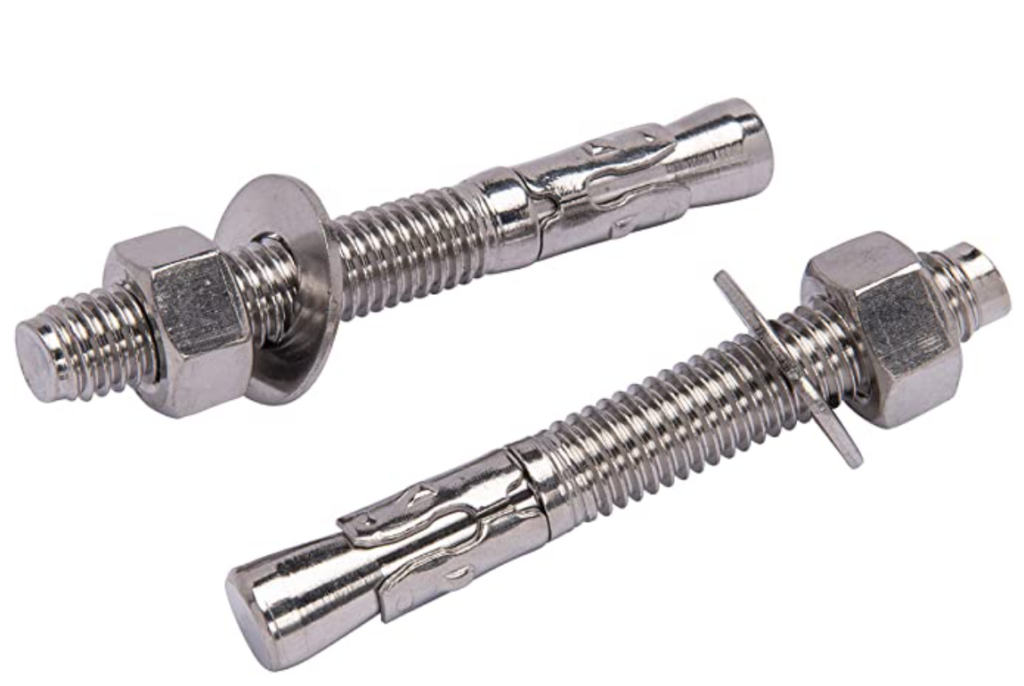
Two pieces, permanently pre-assembled into a single unit make up the ThunderStud® wedge anchor. A portion of the rod’s length is threaded and protected from damage by the rounded design of its extreme end. A necked down diameter that tapers outwardly to the full diameter of the rod makes up the other end. The unit has a carbon steel, precision formed universal clip permanently assembled around the necked down diameter. Packages of Thunderstud® Concrete Wedge Anchors always contain the correct number of nuts and washers. The Concrete Wedge Anchor is also available in hot-dipped galvanized and stainless steel.
Common variations and misspellings:
Quick bolt, thunder stud, super stud, quick bolt II anchor, powerbolt, powerstud, true bolt, ready bolt, king pin, superstud
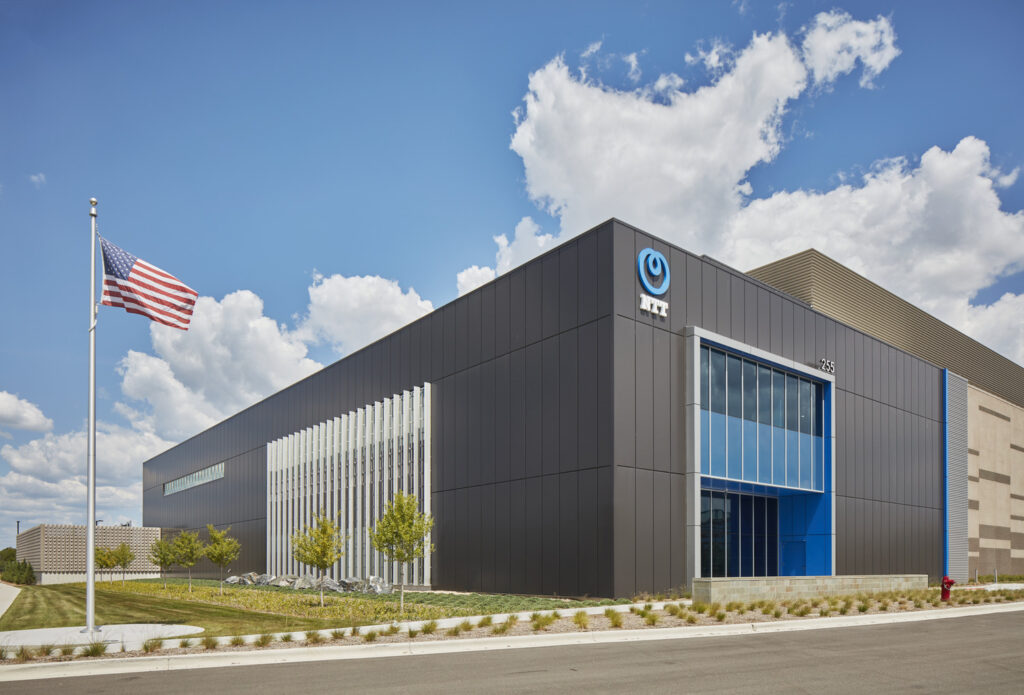
Nuclear power, direct-to-chip liquid cooling, and data centers as learning destinations are among the emerging design trends in the data center sector.
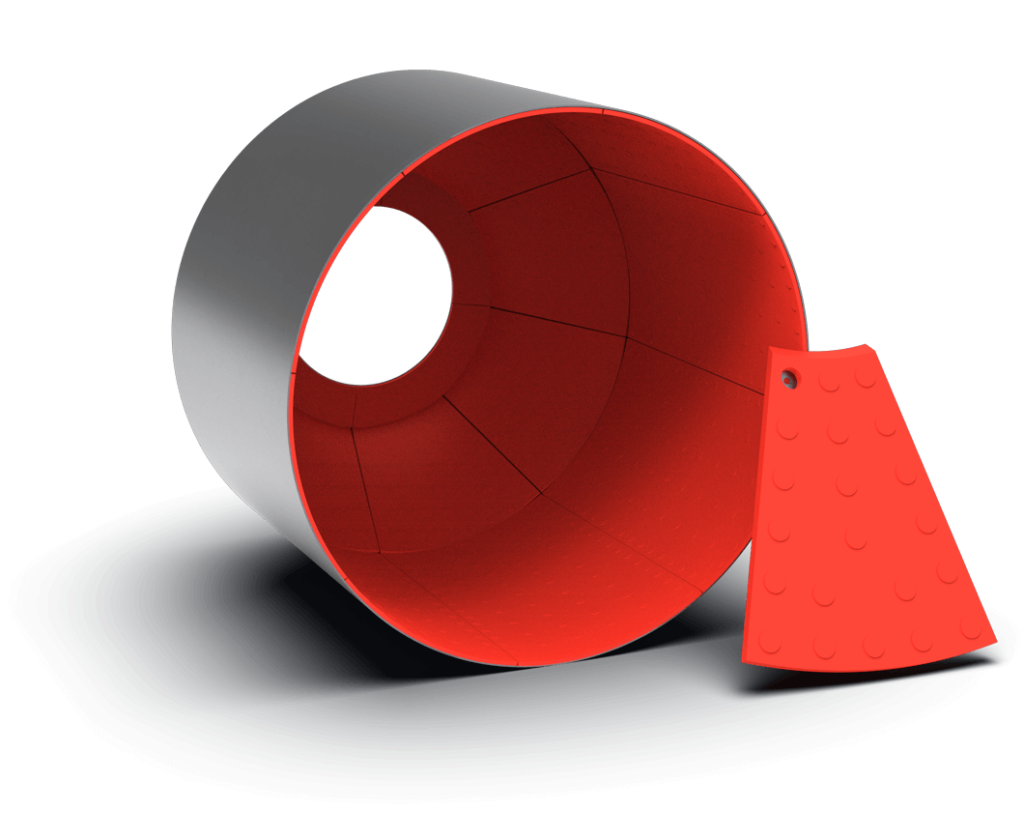
Your concrete plant and trucks take a lot of abuse. Durex Products’ urethane, rubber, and rubber-ceramic liners are built to take that abuse and protect your investment for the long term.
Liners and wear parts are designed to fit common wear areas in most plant brands including: central mix drum liners and blade liners, turnhead liners, cement pipe liners, hopper and bin liners, scale liners, and dump chute liners. Learn more: https://durexproducts.com/products/concrete-products/ready-mix-equipment-liners/
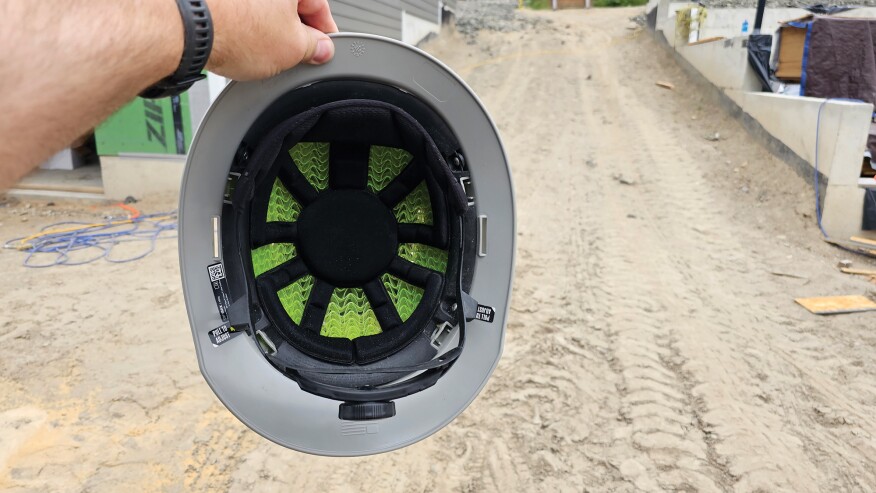
This is an ANSI-rated Type II hard hat, which means that it is designed to offer protection from lateral blows and objects hitting the head from the front, back, and sides, as well as the top (Type 1 hard hats protect only from blows to the top of the head). It has an adjustable fit and accessory rails for options such as a four-point chin strap, a head lamp, earmuffs, and a face shield. I also liked that it is made in the U.S.
Read the rest of the review by clicking the link below
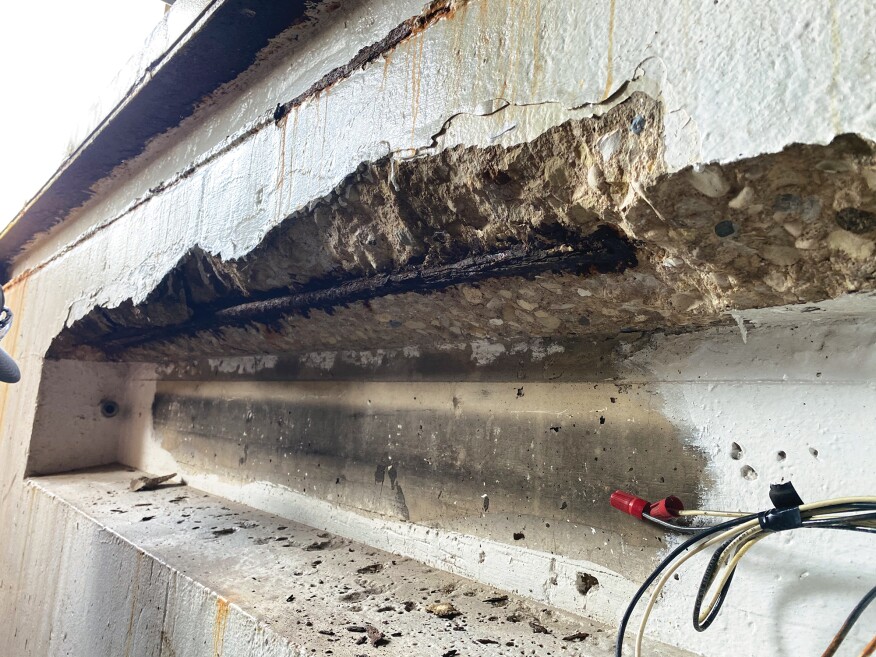
Q. Since steel expands when it rusts and destroys whatever is around it, why doesn’t the rebar used to reinforce concrete footings and foundations—which are in contact with ground water—rust and break the concrete into pieces?
A. Foster Lyons, an engineer and building-science consultant, responds: The short answer is, it does, but it happens so slowly and takes so long that it is insignificant to us. Properly placed rebar typically corrodes at a rate of about 1/10 micrometer per year across the thickness of the material. So, under normal conditions, a #5 bar (5/8-inch diameter) loses 2/10 micrometer from its diameter every year.
To determine if this is a problem, we have to understand the size of a micrometer. Also known as a micron and symbolized by the Greek letter µ, a micrometer is equal to one millionth (1/1,000,000) of a meter. By way of comparison, fine, thin hair is about 30µ in diameter and thick hair, about 130µ. A razor blade is about 0.4µ at its cutting edge, while a sharp knife blade is about 1µ; 5µ at the cutting edge is considered dull.
Concrete wedge anchors’ design allows them to anchor fixtures into concrete. Concrete wedge anchors work by inserting them into a hole drilled into concrete. The concrete wedge anchor is then expanded, wedging itself securely in the concrete. The length ID code and identifying marking are stamped on the head of every anchor. The ANSI drill bit size for these anchors is equivalent to the diameter of the anchors themselves.
Asking the right questions in a pre-construction meeting can lead to a quality placement.
Pre-construction meeting discussion items
Our experts proposed these checklist topics contractors should address with the general contractor and design professional in the discussions leading up to the placement.
Voters Give Go-Ahead for $350M in Bonds for Des Moines International Airport Expansion
Voters approved issuing $350 million in bonds Nov. 7 to replace the existing 1940s-era terminal at the Des Moines International Airport, according to unofficial vote tallies.
The proceeds from the bond sale will fund part of the first phase of construction on the $770 million project.
Concrete Sleeve Anchor – Light to Medium-duty concrete fastener/anchor for concrete, brick and block base material.
Sleeve anchor, sup-r-sleeve, thunderbolt, bolt sleeve anchor, lok bolt, lock bolt, dynabolt, sleeve all, sleeve anchors, concrete anchor, masonry anchor
Description:
Each high-quality steel part of the Concrete Sleeve Anchor is zinc plated. A tubular expander sleeve is assembled over a threaded stud with an outwardly flared cone-shaped end. The anchor, which works on a true expansion principal, comes ready for use with nut and washer. The cone-shaped stud end is pulled into the expander sleeve as the nut is tightened. This wedges the expander sleeve outward and locks the anchor into the base material. The Concrete Sleeve Anchor is also available in stainless steel.
Common variations and misspellings:
Super sleeve, Super-Sleeve, Thunder bolt, lockbolt, dyna-bolt
US DOT Picks Winners for $653M in Port Infrastructure Grants
The DOT awarded $653 million in grants on Friday to upgrade 41 water-based ports around the country. The funding is through the Port Infrastructure Development Program, which provides planning support, capital funding and project management assistance, and comes from the federal Infrastructure Investment and Jobs Act.
Some concrete humor to get through your week. Be sure to check back monthly for more news and products for concrete contractors.